
5 Common Mistakes When Styling a Maxi Dress (and How to Fix Them)
A maxi dress looks like the easiest piece in the wardrobe. One garment, no matching, no decisions. Then you catch your reflection in a shop window and something is off. You look shorter, wider, or as though you borrowed someone else's clothes. The dress is rarely the problem. Usually it is one styling detail: a hem that lands in the wrong place, a waist that has quietly disappeared, shoes that fight the fabric. Almost all of these have a fix that costs little and takes minutes.
The Hem Stops at an Awkward Height
A maxi should either graze the floor or clear your ankle. When the hem finishes right at the widest part of your ankle, or halfway up your calf, it slices the leg into an unhelpful proportion and makes you look shorter than you are. The same dress an inch longer suddenly reads as elegant.
Before you assume the dress is wrong, try hoisting it slightly at the waist and pinning the excess. Shifting where the waistline sits changes the hem length by an inch or more, and that small shift is often all you need.
If tailoring is required, get measured in the shoes you will actually wear with it. This matters more than people expect. A hem cut for heels will pool and drag in flats, and a hem cut for flats will look cropped and slightly odd with a heel. Be honest about which one you reach for. If flat sandals are the realistic answer, hem for flats and stop apologising for it.
Too Much Fabric, No Shape
The tent effect happens when a loose, flowing dress is worn with a loose, flowing top or simply left to hang with nothing to interrupt it. You disappear inside the dress. The fix is not to squeeze into something tight — it is to make sure only one part of the outfit is doing the volume.
Options that work:
- Half-tuck a knit top at the front so the waist is visible but the line stays relaxed.
- Add a belt at your true waist, not below the stomach. A slim leather belt suits a lightweight wrap or button-front style; skip the wide statement belt with delicate fabric.
- Layer a structured jacket or blazer over the top. A defined shoulder gives the eye something to hold onto.
- Choose a wrap or belted silhouette if you are shopping for a new dress. The shape is built in, so there is less to correct later.
One deliberate adjustment is enough. A belt, a blazer and a tucked top together starts to look fussy.
What's Underneath Is an Afterthought
Maxi dresses are often lightweight, and lightweight fabric shows everything: the outline of a bra strap, the ridge of a seam, a panty line, the shadow of a dark slip under a pale print. None of this is dramatic on its own. Together, it undercuts an otherwise polished outfit.
Check the following before you leave the house, in daylight rather than indoor lighting:
- Hold the fabric up to a window. If you can see your hand clearly, you will need a slip in a tone close to your skin or the dress itself.
- Choose smooth, seamless underwear in the same colour family as the dress, not white under white.
- Swap straps for a strapless or convertible bra where the neckline demands it.
- Keep a travel-size anti-static spray on hand for clingy fabrics, especially in dry weather.
A five-pound slip has rescued more maxi dresses than any accessory I can think of.
The Shoes Are Chosen Last
Shoes change the whole balance of a long dress. A fine, fluid satin or crepe maxi next to a chunky athletic trainer looks like two outfits that met by accident. Wearing trainers with a maxi is entirely possible, but the dress usually needs to be shorter, more casual in fabric, and the trainer needs to be sleeker — think a low-profile leather style rather than a bulky running shoe.
For an evening look, a heel adds length and lifts the hem clear of the ground, which keeps the fabric moving. An open sandal with a bit of skin showing at the foot works well in warm weather. In cooler months, a slim ankle boot or a pointed flat is more flattering than a round-toed shoe that stops the eye abruptly at the ankle.
One practical note: if the hem is long enough to touch the ground, walking will wear it out and you will spend the evening holding the fabric up. Either shorten it slightly or accept that the dress is for standing, not striding.
The Accessories Are the Wrong Scale
A long dress is a big shape, and small accessories get swallowed by it. A tiny evening bag with a floor-length gown looks lost; a slouchy tote with a delicate slip dress tips the whole thing towards the beach. Match the weight of the accessory to the weight of the dress.
Necklines matter too. A wide boat neck or a high halter generally wants a shorter, bolder earring rather than a long pendant that disappears down the front. A deep V or a wrap front can carry a pendant well. If the dress is a busy print, keep jewellery quiet. If the dress is plain, that is your invitation to wear the earrings.
The Fabric Doesn't Suit the Occasion
Jersey is comfortable and forgiving, which is why it dominates the maxi market. It is also casual. Wearing a soft jersey maxi to a formal event reads as underdressed no matter how good the fit is, whereas a crisp poplin or structured linen dress at a black-tie-adjacent party will look stiff and slightly confused.
Read the fabric before the style. Matte, fluid fabrics such as crepe, satin-backed crepe and heavier silk blend wear well for evening. Cotton, linen and jersey belong in daytime. Stiff poplin and taffeta hold a dramatic shape but rarely sit down comfortably, so they suit standing events. If you are unsure, hold the fabric in your hand and let it drop. If it crumples into soft folds, it is daytime. If it falls in clean lines, it can go out at night.
A Quick Check Before You Leave
Run through this in front of a full-length mirror, in daylight if possible:
- Look at the hem. Does it graze the floor or clear your ankle, or does it stop somewhere in between?
- Find your waist. Is there a visible break in the fabric, or has the dress become one long column?
- Check the light behind you. Is anything showing through that should not be?
- Step back three paces. Do the shoes look like they belong to the same outfit?
- Ask yourself what people will notice first. If the answer is the dress, you are done.
A maxi dress rewards a little attention. Adjust the waist, sort out what is underneath, and choose shoes that carry the length rather than compete with it. That is the difference between a dress you own and a dress you wear.
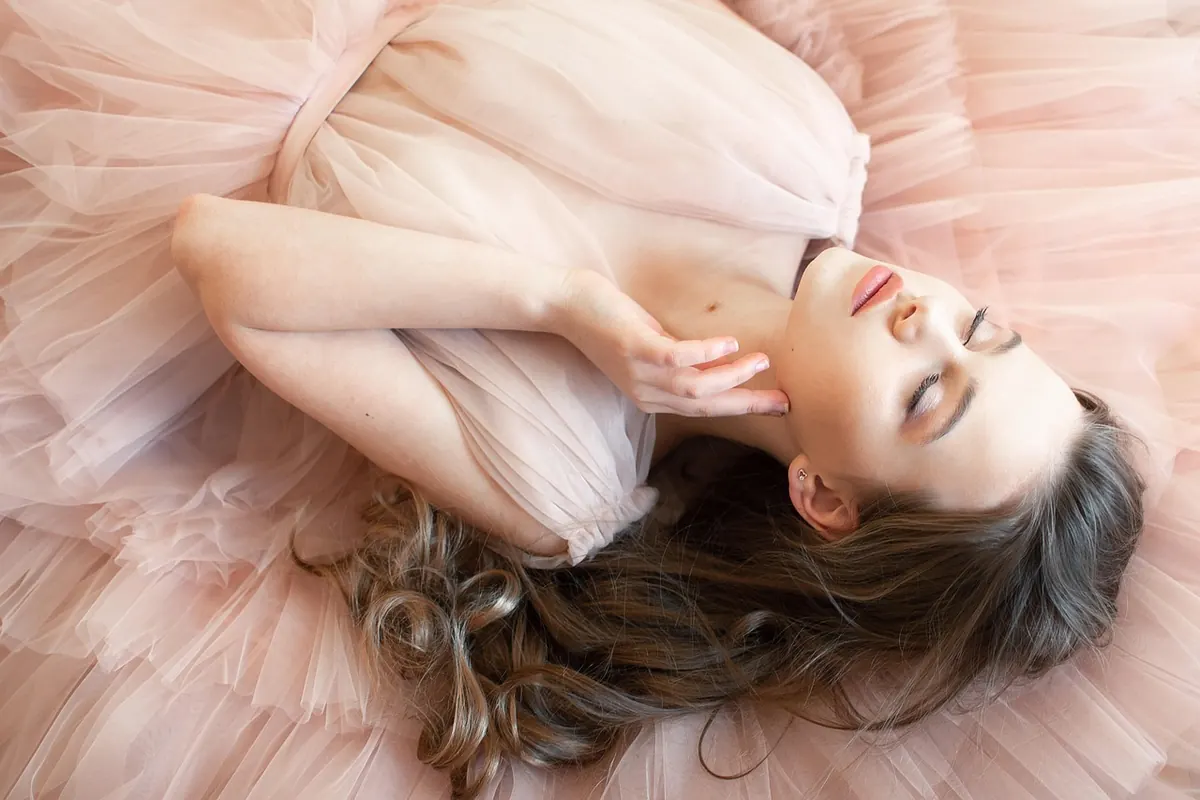
Photo: NataljaDanilchenko / Pixabay