
Fall Layering Guide: How to Stay Warm and Stylish
Autumn weather rarely cooperates. You leave the house at eight in a cold mist, and by two in the afternoon you are carrying your coat over one arm, wishing you had worn something lighter. The fix is not a warmer coat or a thicker sweater. It is layering — building an outfit from three thin pieces instead of one heavy one, so you can add or remove warmth as the day changes.
Layering also happens to be the most flattering thing you can do in fall. It adds shape, texture and colour, stretches summer pieces well into October, and makes an ordinary outfit look considered. Here is how to do it without ending up looking like a bundled parcel.
Start With a Thin Base Layer
The layer against your skin should be thin enough to disappear. Think a plain white tee, a fine-gauge merino top, a long-sleeved cotton shirt, a silk camisole, or a light thermal when the mornings turn properly cold. It should sit close to the body without digging in, and it should look fine on its own in case you shed everything else at lunchtime.
Two mistakes are common here. The first is wearing a chunky knit as a base layer, which leaves no room for anything on top. The second is choosing cotton for a long, damp day out — it holds moisture and feels cold the moment you stop moving. Merino, silk and technical blends handle that better.
The Middle Layer Does the Heavy Lifting
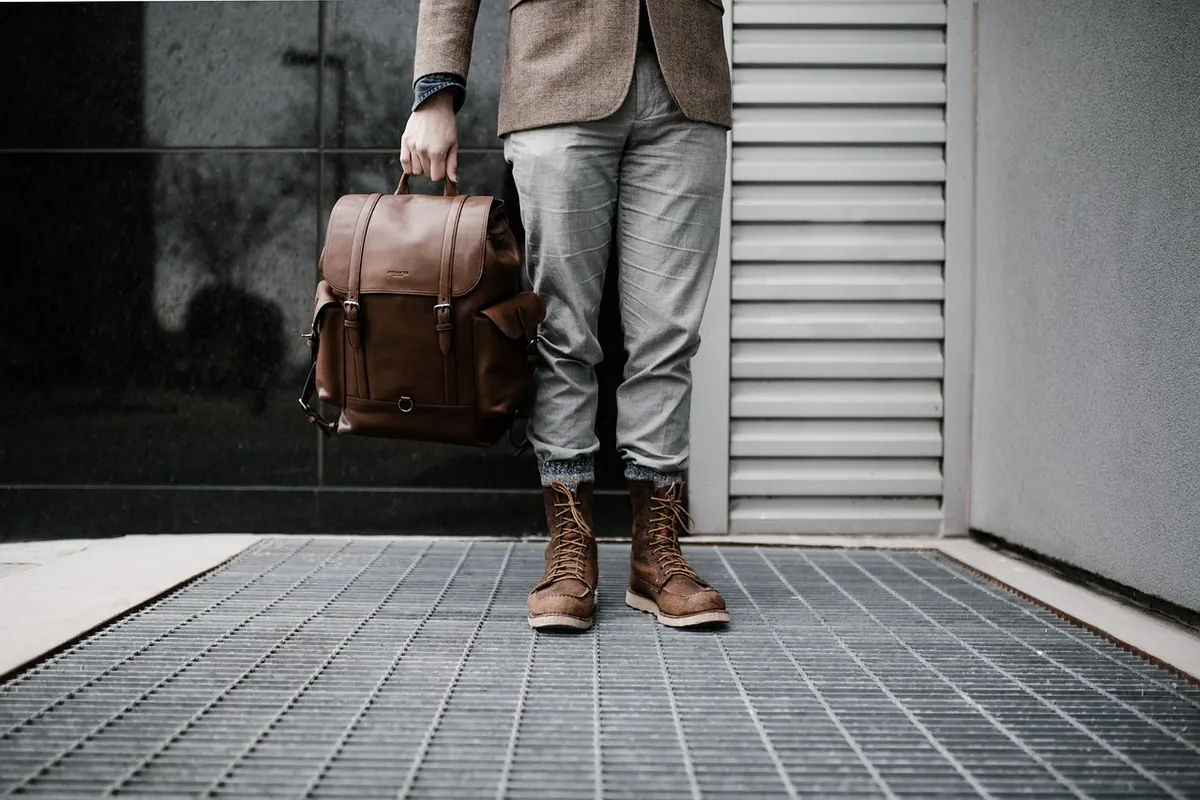
The middle layer is the one people see, so this is where colour, pattern and texture live. A ribbed cardigan worn buttoned as a top. A crisp cotton shirt under a crew-neck sweater, collar peeking out. An oversized flannel shirt left open over a tee. A blazer. A thin cashmere jumper in a colour you actually like.
Fit matters more than fabric. Mid layers should be roomy enough to slide over your base without bunching at the shoulders, and slim enough to vanish under a coat. If it strains when you lift your arms, it will look just as strained under a jacket.
Choose the Outer Layer Last
Buy your coat for the bulkiest thing you plan to wear under it, not the thinnest. Try it on over a thick sweater in the shop; if it pulls across the back or the buttons strain, it is a size too small, whatever the label says. A coat with a little extra room also traps air, and trapped air is what keeps you warm.
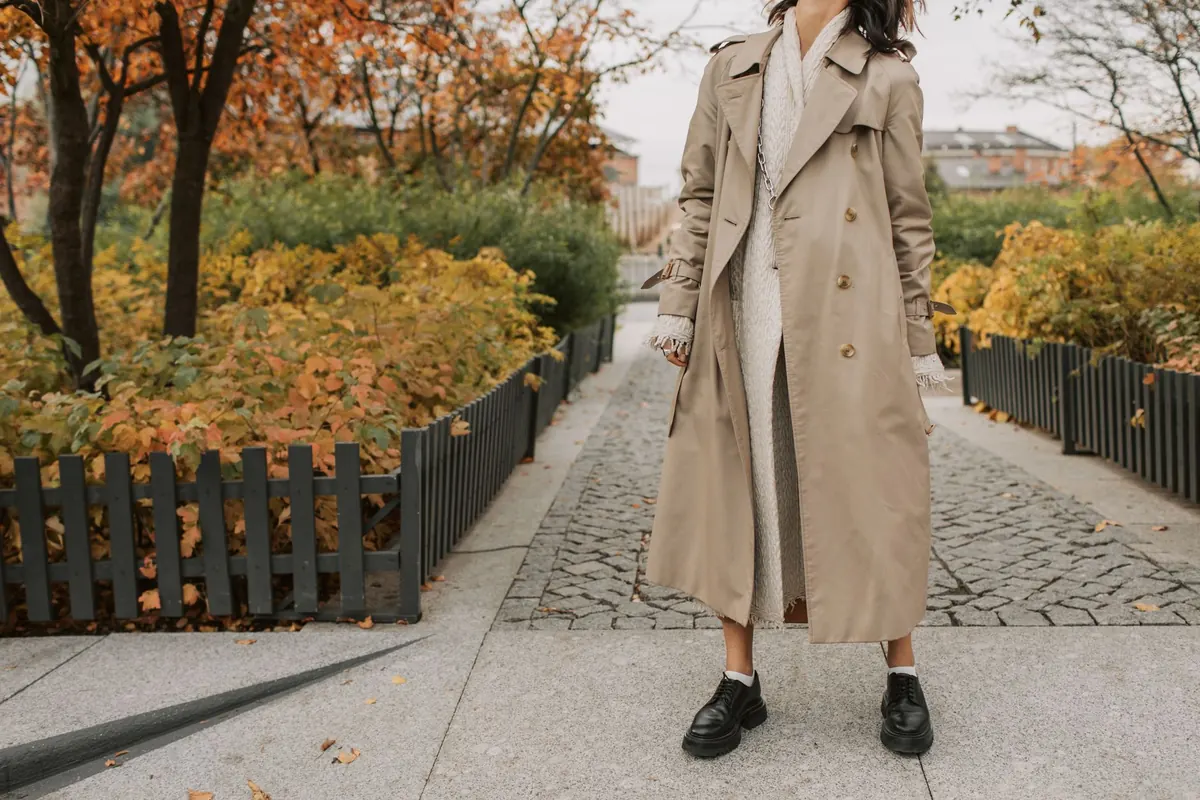
Length and shape change the whole outfit. A long wool overcoat over a short knit dress and boots creates a clean vertical line. A cropped quilted jacket over high-waisted trousers lifts the eye. A trench in early September, wool by late October, a puffer for raw, wet days — most wardrobes need three outer layers, not ten.
Three Outfit Formulas That Work
If you would rather not think it through every morning, borrow one of these and adjust the colours to what you already own.
- The office day. Fine merino turtleneck, tailored blazer, wool overcoat, straight-leg trousers, ankle boots. Take off the coat and blazer as the heating kicks in and you still have a complete outfit.
- The weekend. White tee, open flannel shirt, cropped quilted jacket, straight jeans, loafers or clean trainers. Three layers, none bulky, comfortable in a café or on a walk.
- The evening. Satin slip dress, thin cashmere cardigan, long coat, opaque tights, heeled boots. The dress does the work; the cardigan and coat simply extend it into autumn.
Notice what the three have in common: one layer is fitted, one is soft, one is structured. That is the balance to aim for.
Use Proportion to Avoid Bulk
Keep one half slim
If your top half is generous — a big cable knit, an oversized shirt, a padded jacket — keep the bottom narrow: slim jeans, leggings with boots, a pencil skirt. If you are wearing wide-leg trousers or a full midi skirt, keep the top fitted and the layers close. Volume on both halves at once is what reads as heavy.
Play with lengths
A long shirt under a cropped sweater shows a sliver of hem, breaking up the middle of the body. A long coat over a short jacket adds depth. A half-tuck keeps a loose shirt from swamping you. Even one visible hem line makes a layered outfit look intentional rather than accidental.
Small Details That Make It Look Deliberate
- Sleeves. Push knit sleeves to the elbow and let the shirt cuff show underneath. It looks relaxed and avoids an awkward line at the wrist.
- Collars. A shirt collar over a crew neck, or a turtleneck under a blazer, frames the face and adds polish.
- Texture. Mix smooth with chunky: leather boots with a ribbed knit, a satin skirt with a wool coat, corduroy with fine wool.
- Palette. Two or three tones is plenty. Cream, camel and chocolate. Grey, navy and white. Charcoal with one warm accent.
- The last layer. A scarf, a belt or a pair of gloves finishes the outfit and adds real warmth for very little bulk.
Stay Warm Without Overheating
The point of layering is flexibility, so resist wearing everything at once. If you commute, leave the house in your lightest combination and carry the thick knit in your bag. Choose a coat you can open, and keep natural fibres next to your skin — wool, silk and cotton breathe better than heavy synthetic knits, which trap heat and leave you clammy indoors. Add a hat and scarf in November and you will need less underneath than you expect. If you have a circulation condition or another health issue affected by cold, it is worth asking a doctor what suits you.
Build a Layering Kit You Will Actually Wear
You do not need a new wardrobe. You need about six pieces that work together: two thin base layers, two mid layers in different weights, one structured jacket and one long coat. Pick a palette and buy within it, so everything can be combined without thought.
Before you commit to a new combination, try it on at home with the shoes you plan to wear, and sit down in it. If the layers bunch, twist or need constant adjusting, they will not survive a real day. The best layered outfit is the one you forget you are wearing — warm on the walk to the station, easy to peel off once you are inside, and put together enough to look like you meant it.
Photo: Vlada Karpovich / Pexels