
London Fashion Week Street Style: Trends to Watch from the Streets
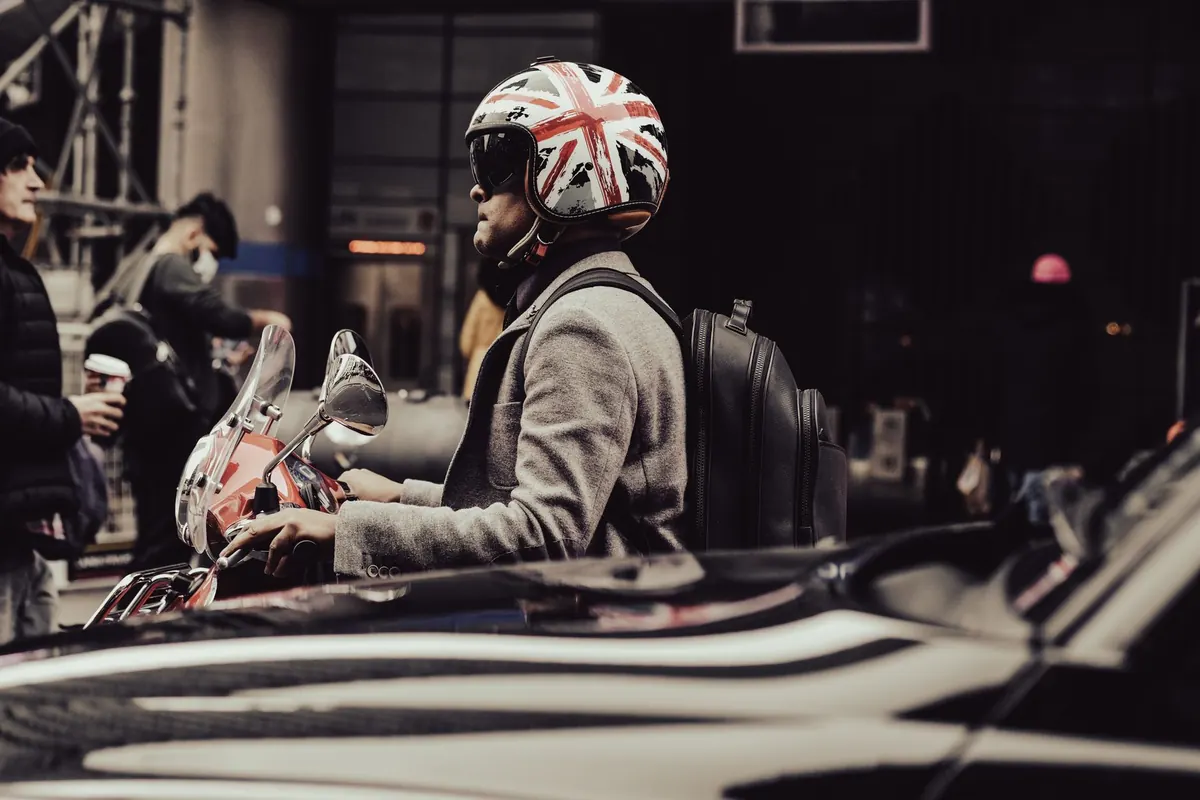
London Fashion Week has always been as much about the pavement as the catwalk. Within an hour of a show ending, the looks photographed outside the venues have travelled further than most of the collections themselves. That is the useful part: street style is testable. These are real people wearing real clothes in real weather, and the best outfits offer ideas you can copy without booking a stylist. This season, the strongest messages were about proportion, layering and restraint. Here is what kept appearing, and how to make it work on an ordinary morning.
The Coat Is the Whole Outfit
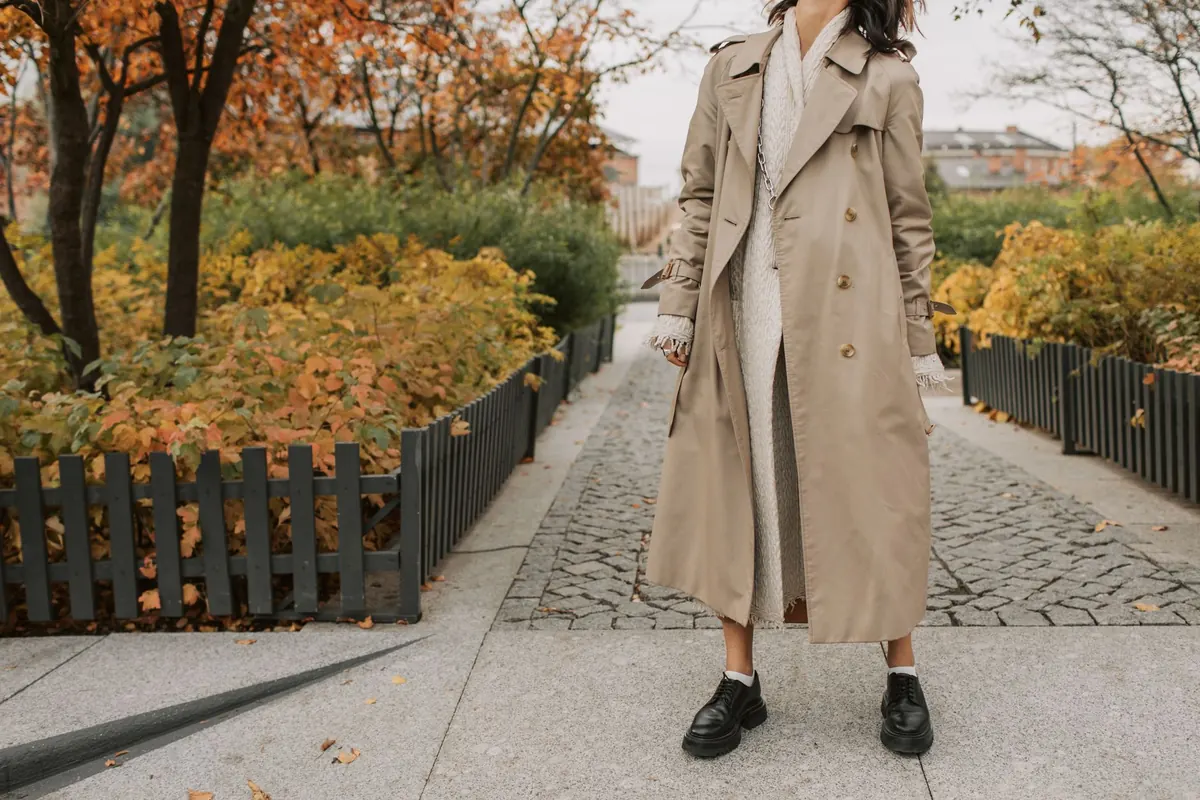
If you take one thing from the week, take this: outerwear did almost all the work. Long wool coats that finished somewhere near the ankle, trench coats worn open and unbelted, leather and shearling jackets, and capes layered over knitwear. In several cases the coat was the outfit, with plain trousers and a simple shoe underneath.
The lesson is about length and line rather than labels. A coat that stops at the wrong point on your leg disrupts everything below it, so try a few hemlines against your usual trousers before committing. Ankle-length styles look intentional with wide trousers and hopeless over a long, full skirt. Cropped jackets work best when the layer underneath is fitted, otherwise the whole silhouette reads bulky.
And be realistic about the weather. A coat that cannot handle a bus stop in February is a costume, not clothing. Look for a dense wool or a lined trench, and check that you can raise your arms and reach for a ticket without the shoulders pulling.
Tailoring That Breathes
Sharp, fitted suiting was largely absent. Instead, blazers came with dropped shoulders and room through the body, worn over everything from slip dresses to hoodies, and trousers were wide, pleated and long. Double-breasted jackets appeared often, usually left open so the line stayed soft rather than boxy.
The trick with volume is to allow it in one place only. If the jacket is oversized, keep what sits beneath it close to the body — a fine knit, a slim T-shirt, a fitted shirt. If the trousers are wide, keep the top half neater. Two oversized pieces at once can work on a catwalk; on a Tuesday it tends to look like you got dressed in the dark.
Pay attention to hems. A wide trouser should either break cleanly over a shoe or hover just above it. Anything in between looks like an accident, and it is one of the easiest things a tailor can fix for a modest cost.
Denim Goes Wide — and Long
Straight-leg and wide-leg jeans dominated, often worn long enough to pool slightly over the shoe. Dark, flat indigo appeared more than distressed washes, and raw, unfinished hems were everywhere. Double denim returned too, but in two different tones rather than one matching set — a lighter jacket over darker jeans, or the reverse.
Length is the whole point here, and it is also where most people go wrong. Try jeans on with the shoes you actually wear, not the ones you'd like to wear. If the hem drags on wet pavements you will stop wearing them by November. Get them hemmed to just graze the top of the shoe, then decide whether you want a cuff.
If puddling denim feels like too much, a straight leg with a slightly longer inseam gives you the same relaxed feel without the fuss.
Layering With an Element of Surprise
This was the most playful trend and the one with the steepest learning curve. Sheer skirts over trousers. Slip dresses worn over jeans. Long shirts protruding beneath cropped knits. Collars and cuffs peeking out where you did not expect them. Textures were mixed deliberately: leather next to soft wool, silk against denim, chunky knit over something slippery.
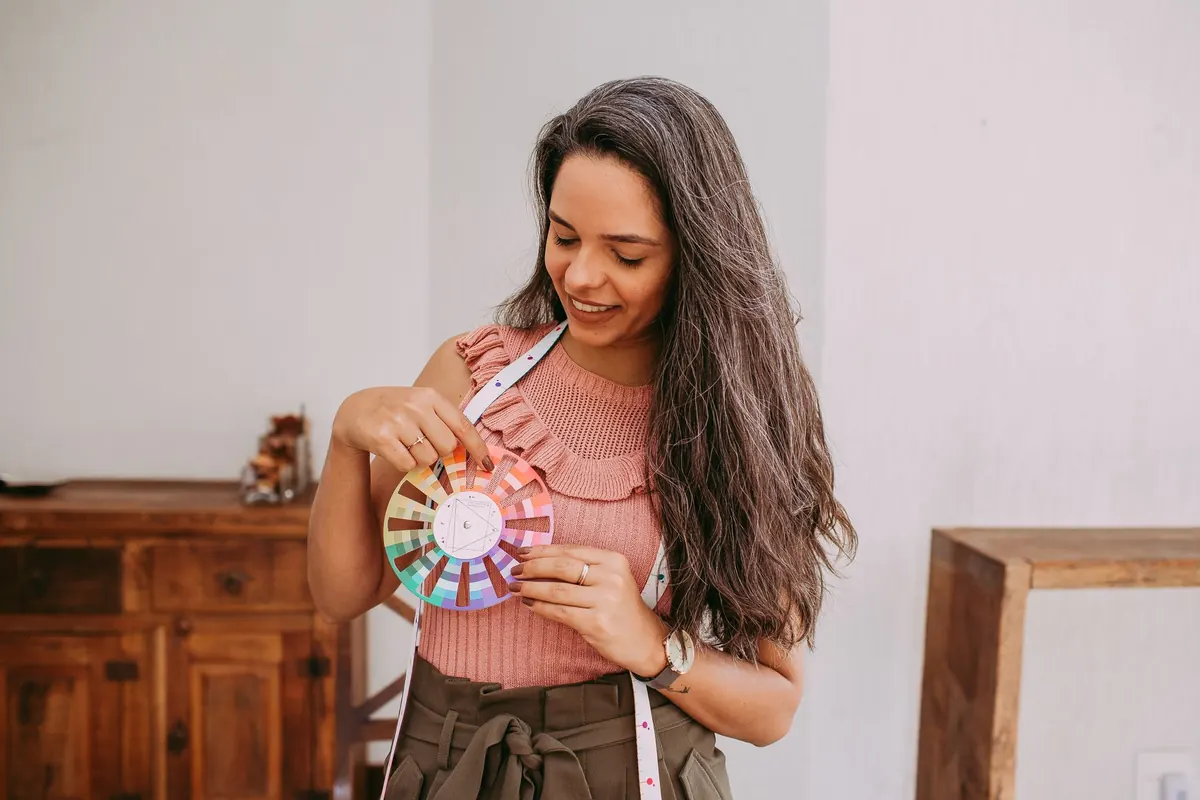
Colour followed a similar logic. Head-to-toe single tones — all grey, all cream, all burgundy — appeared repeatedly, usually with one loud accent: a bright bag, a red shoe, a scarf in a colour that had no business being there. Dressing in one tone is the easiest way to look considered when you have not bought anything new.
Two practical notes. Keep the base layer thin and close-fitting, so the volume above it looks chosen rather than accidental. Then sit down in front of a mirror before you leave the house. Layering that looks good standing still can bunch, gape or ride up the moment you fold into a car seat or a restaurant chair.
The Accessories Doing the Talking
With clothes kept relatively simple, accessories carried the personality. Several categories kept returning:
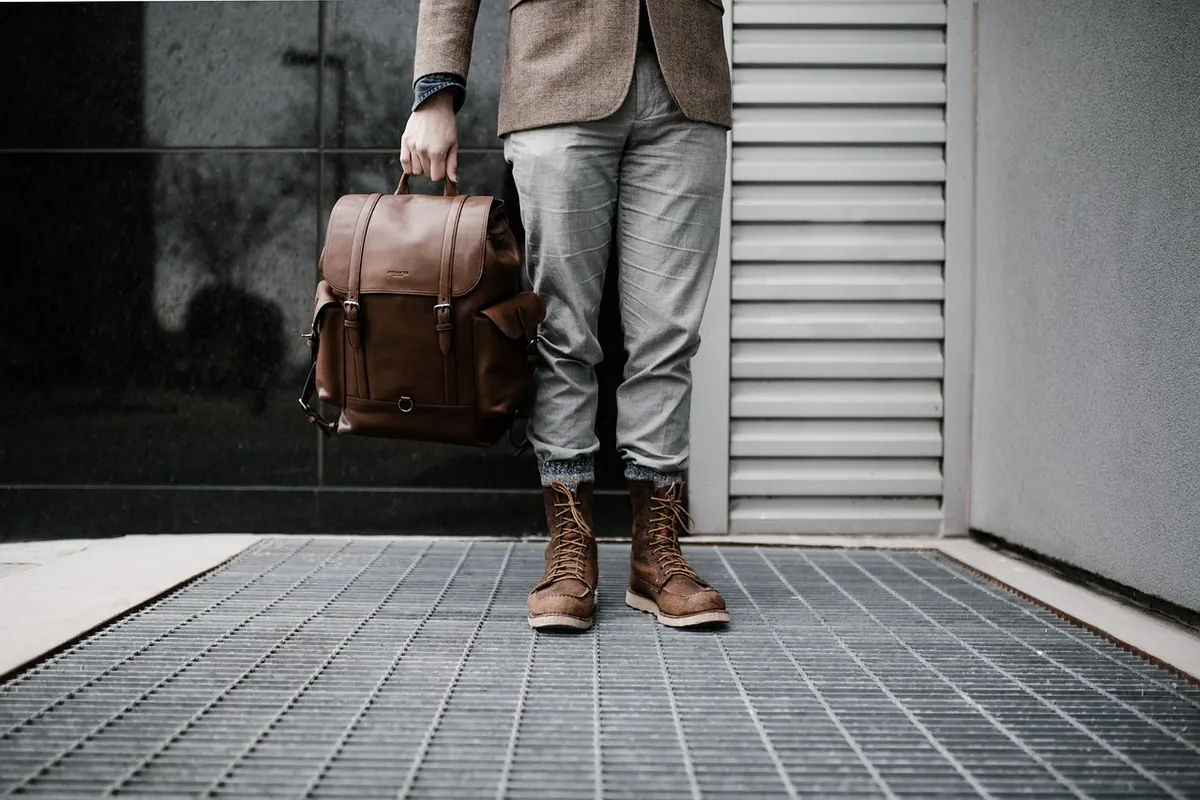
- The big soft bag. Slouchy, unstructured and carried by hand or shoved under an arm, rather than the neat crossbody of recent seasons.
- A belt worn over the coat. Cinching a long coat or an oversized blazer is the fastest way to change its shape without buying anything.
- Footwear with weight. Biker boots, chunky loafers, mesh flats and low-profile retro trainers, often in a colour that clashed gently with the outfit.
- Hair accessories. Scarves tied under the chin, wide fabric bands, and clips used in clusters rather than singly.
- Small, deliberate jewellery. A single chunky chain or a stack of thin rings, not both at once.
Pick two of these per outfit and leave the rest. The street style looks that photograph best are usually the ones with a clear focal point, not five competing ones.
Street Style to Real Life: A Practical Edit
Photographed outfits are styled, often borrowed, and sometimes changed three times before the shutter clicks. Measuring your own wardrobe against them is a losing game. A better approach:
- Choose one trend, not five. Pick the idea that fits what you already own, and give it a fortnight before adding another.
- Shop your wardrobe first. Most of these looks can be assembled from a long coat, wide trousers, a fine knit and a decent boot.
- Test it three ways. Stand, sit and walk. If any of the three feels wrong, the outfit will stay in the wardrobe.
- Buy for your actual week. If you commute, walk school runs or spend days on your feet, comfort is not a compromise — it is the point.
- Adjust rather than replace. A hem taken up, a belt added, sleeves shortened. Small alterations do more for a look than a new purchase.
Trends from the street are useful precisely because they are unfinished. They show you a direction — longer coats, wider trousers, a bolder accessory — and leave the details to you. Take the proportion, leave the performance, and wear the result often enough that it stops feeling like a trend at all.
Photo: kevin grieve / Pexels