
The 7 Accessories Every Woman Should Own (and How to Wear Them)
Accessories are the quiet part of getting dressed and the loud part of looking finished. A plain white shirt and dark jeans can read as deliberate or as an afterthought, and the difference is usually one bag, one belt, or one pair of earrings. The seven pieces below are the ones that repay repeat wear: they suit almost every wardrobe, they work for the office and the weekend, and they get easier to style once you know the small details that matter. None of them have to be expensive. They do need to be chosen with care.
A Structured Bag You Will Actually Carry
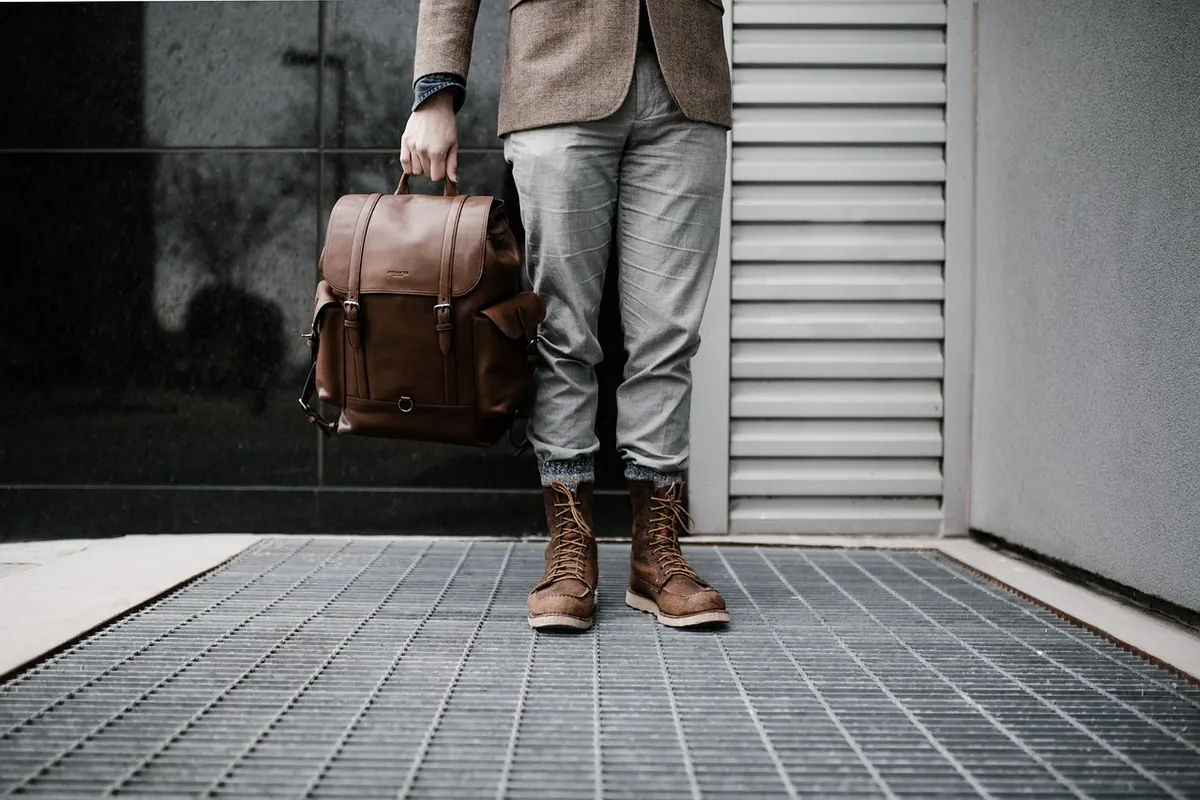
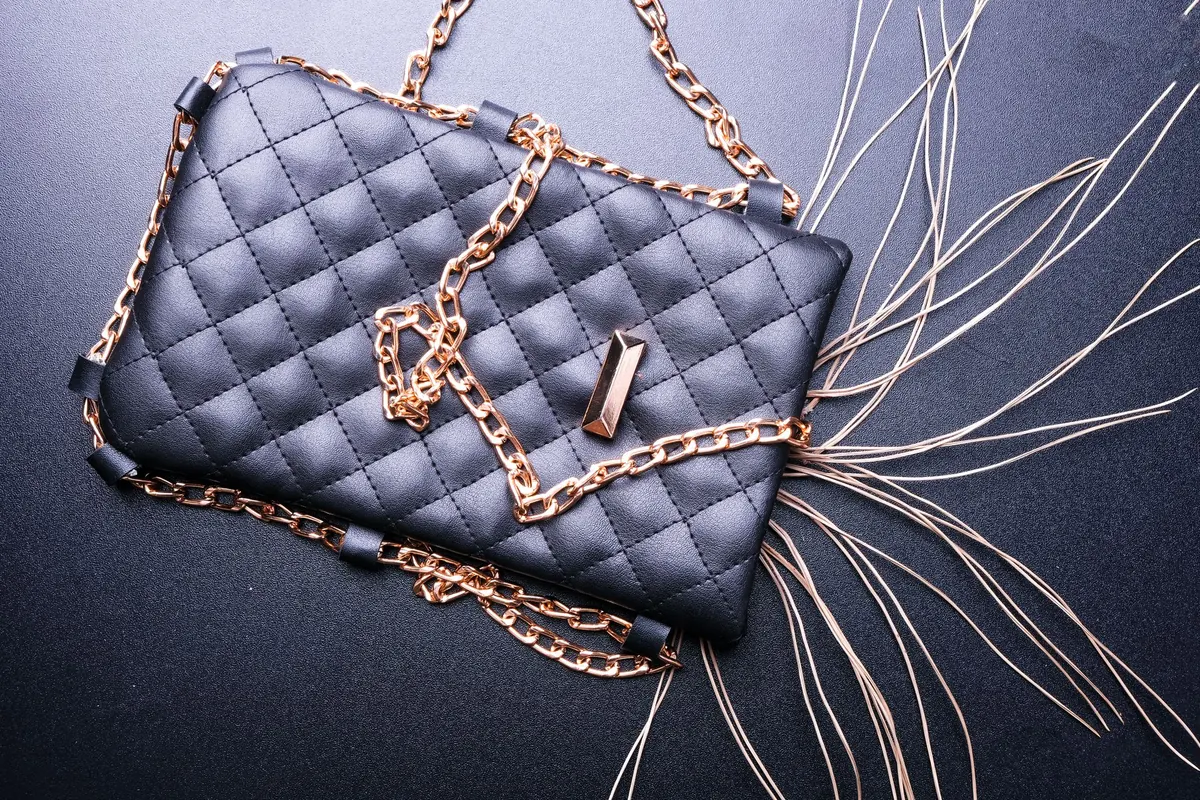
A bag sets the tone before anyone notices your shoes. Leather or a good faux leather both work; what matters is shape. A tote, a boxy shoulder bag or a small top-handle style holds its form and instantly looks considered, while an unstructured bag reads casual no matter what it cost.
Fit matters more than size. The strap drop should put the bag at your hip or tucked just under your arm. If you are petite, shorten a crossbody strap so the bag rests near your natural waist rather than swinging at your thigh. Empty weight counts too. If a bag is heavy before you have put anything in it, you will quietly stop carrying it within a fortnight.
- A base wide enough that the bag stands up on its own
- A light-coloured lining, so you can find your keys without digging
- One slip pocket inside, plus one zipped pocket for cards
- Hardware in the tone you wear most often, gold or silver
Colour is where most people overthink. Black, tan, chocolate brown, navy and deep burgundy go with nearly everything. Choose one and let it become the neutral your outfits answer to.
A Silk Scarf, Worn Three Ways
A square scarf around 90cm across is the most useful size. Silk and silk-wool blends drape well in cool weather; cotton and lightweight linen versions work in summer. Wear it knotted at the throat over a plain knit, folded into a triangle and tucked under a blazer collar so it reads as a layer rather than a decoration, or tied to a bag handle by the knot. A smaller square makes a headband or covers a messy bun in seconds.
For a simple neck knot: fold the scarf in half diagonally to make a triangle, roll it from the point towards the long edge until you have a band, drape it around your neck, tie one loose knot slightly off-centre, and let the ends hang. Keep the print scale sensible — a large, busy pattern can overwhelm a small frame, while a tight, small print disappears against a bold outfit.
Jewelry: One Pair of Hoops, One Fine Chain
Two pieces of jewellery cover more ground than a whole box of them, provided you choose well.
Hoops
Hoop diameter changes the whole mood of an outfit. Roughly 2cm to 4cm reads polished and everyday, sitting close to the lobe. Anything 5cm and up becomes the focal point of the look, so keep the rest of your accessories quiet when you wear them. Pick hoops that feel lighter than they look: a thin hollow tube or a slim flat profile will not drag on the earlobe by mid-afternoon. If your ears are sensitive, look for pieces labelled nickel-free, and take earrings off before you shower or swim.
A Fine Chain
A 40cm to 45cm chain sits just below the collarbone, which flatters almost every neckline. Add a second chain only if the two lengths differ by about 5cm — that gap is what stops them tangling. One small pendant is enough. On days when you want to look understated, tuck the chain inside your collar so only a sliver shows.
Let one accessory lead. If the earrings are bold, keep the necklace plain and the belt thin.
A Belt That Sits Where You Want It
A belt does two jobs: it holds your trousers up and it changes the line of an outfit. A strap around 2cm to 3cm wide is the most versatile — slim enough for a dress, sturdy enough for jeans. Wider belts work best with high-waisted trousers or over a long cardigan, where they act as a shape-maker rather than a practical item.
Match the leather to your bag in tone rather than exactly; a tan belt with a chocolate bag looks intentional, while two shades of tan that almost match can look like a mistake. If you are between sizes, buy the larger one and have an extra hole punched, or choose a belt with an adjustable closure.
- Fasten it and check the buckle sits at the centre of your waist, not off to one side.
- Make sure the leather does not gape away from the waistband.
- Leave a tail of roughly 10cm to 15cm past the buckle — longer looks untidy.
- Sit down and stand up. If it digs in when you sit, it is too tight.
Sunglasses: Fit First, Trends Second
Look for lenses labelled 100% UV protection or UV400, and buy from a shop that can confirm it. Frame width should roughly match the widest part of your face; if the frames extend well past your cheekbones, they will slide forward all day. The bridge should rest without pinching the sides of your nose, and the arms should touch your temples lightly without pressing. Most opticians will adjust the fit of frames you already own, which is often all a pair needs.
Shape is about contrast. Rounder faces usually suit angular frames, while strong jawlines and angular faces soften with rounded or oval shapes. Push sunglasses up onto your head only when you are not moving much — the constant push-and-slide stretches hinges. Keep a hard case in your bag; a scratched lens cannot be repaired.
A Watch You Will Wear Every Day
A watch is the accessory people notice at close range: across a desk, over lunch, in a handshake. A case between roughly 28mm and 36mm suits most wrists without looking either delicate or oversized. Try the watch on with the clasp closed — it should sit flat on top of your wrist, with the clasp on the outer side, and slide no more than a centimetre when you move your arm.
Buy one that matches your jewellery tone for everyday wear, then treat the strap as the seasonal part. A leather strap in tan or black is smart and casual at once; a steel bracelet handles summer and water far better. Changing a strap takes a few minutes and makes one watch feel like two.
Making the Whole Set Work
You do not need all seven pieces at once, and buying them in one afternoon is the fastest way to end up with things you never wear. Start with the piece you reach for most — usually the bag — and add one item a season. Before you buy, hold it against three outfits you already own. If it works with only one, leave it.
When you get dressed, do a final check in a full-length mirror from a few steps back: look at proportion first, then colour, then detail. Three visible accessories is a comfortable maximum for most outfits. Keep leather clean and conditioned, store fine chains flat in a pouch so they do not knot, and put sunglasses straight back in their case. Good accessories do not shout. They simply make everything else look like it was chosen on purpose.
Photo: Enes Beydilli / Pexels